
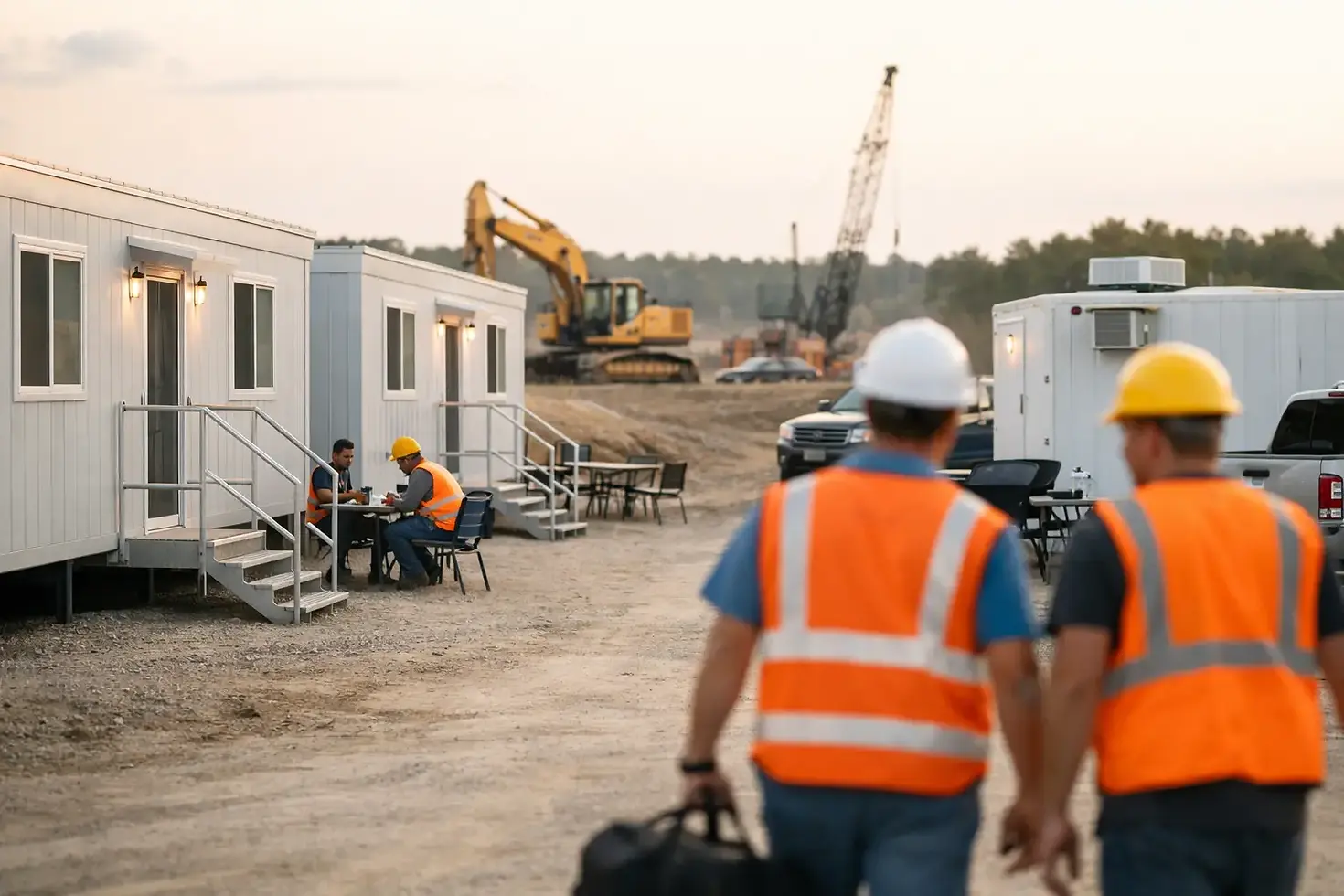
Temporary Housing for Construction Crews
- Mental Temper
- May 29
- 6 min read

When a project starts before sunrise and runs on tight schedules, bad lodging creates problems fast. Temporary housing for construction crews needs to do more than put a bed near the jobsite. It needs to support rest, simplify logistics, and give workers a dependable place to come back to after long shifts.
For crew leads, superintendents, and office staff handling lodging, the real question is not just where people can stay. It is whether the housing will help the job run smoother. The right setup reduces late arrivals, cuts down on housing complaints, and makes it easier to keep crews focused on the work instead of dealing with daily living issues.
What construction crews actually need from housing
Most crews are not looking for luxury. They are looking for clean, furnished, move-in-ready space that works from day one. That means beds, seating, kitchen basics, private bathrooms when possible, reliable climate control, and enough room to settle in for a week, a month, or longer.
Just as important, the property has to match the pace of field work. Early departures, late returns, changing schedules, and rotating team members are normal in construction. Housing that requires too much setup, extra deposits, utility transfers, or constant coordination adds friction where there should be none.
A good workforce housing property takes those moving parts off the table. Weekly or monthly terms, utilities included, WiFi already active, and housekeeping support can make a noticeable difference, especially when crews are working six or seven days a week.
Why temporary housing for construction crews affects the job itself
Housing decisions often look like a cost line item, but they affect operations more than many companies expect. If workers are spread across multiple motels, dealing with inconsistent room quality, or driving long distances before and after shifts, fatigue starts to show up on the job.
Reliable temporary housing for construction crews helps in a few practical ways. It gives workers consistent rest, reduces commuting headaches, and creates a more stable routine. That matters for safety, morale, and retention. Crews that sleep better and spend less time chasing daily basics usually show up more ready to work.
There is also the management side. When housing is all-inclusive and centrally managed, billing is easier to track. When units are furnished and move-in-ready, onboarding new arrivals is faster. When the property has room for individuals and groups, companies can scale up without rebuilding the housing plan every time headcount changes.
The difference between bare-bones lodging and housing that works
Not all short-term lodging fits a construction crew. A standard hotel may work for a short assignment with a small team, but it often starts to fall short on longer projects. Rooms are tight, storage is limited, parking can be a hassle, and the overall setup is not built for workers living on the road for weeks at a time.
On the other end, some man camps provide only the basics. That can cover immediate shelter, but it may not offer the comfort or amenities that help people stay settled and productive over a longer stretch. If the living environment feels temporary in the worst way, morale drops.
The better option is workforce housing that combines function with comfort. Fully furnished efficiency units, predictable pricing, on-site amenities, and secure access tend to serve crews better than patchwork lodging arrangements. Workers get practical living space, and employers get a more dependable housing solution.
What to look for in temporary housing for construction crews
Location matters first. The closer the property is to active job sites, major routes, fuel, and basic shopping, the easier the day runs. In a market like the Permian Basin, that can make a real difference in commute times and scheduling.
After location, look at what is actually included. All utilities should be part of the rate. WiFi should already be set up. Furnishings should be in place before move-in. If every arrival requires separate utility arrangements, furniture rentals, or extra setup calls, the housing is not really turnkey.
Security also deserves attention. Gated access, well-lit parking, and a property that is actively managed help workers feel more comfortable and help employers feel more confident about placing teams there.
Then there is the quality-of-life piece. Crews need downtime that actually helps them recover. Laundry access, fitness facilities, recreation areas, and common spaces may sound secondary at first, but they matter on demanding projects. A worker who has a clean place to live, space to unwind, and basic conveniences on-site is more likely to have a better stay and a better workweek.
Flexibility matters because projects change
Construction schedules move. Start dates shift, subcontractors overlap, and job durations extend. Housing needs to handle that reality.
This is where weekly and monthly rental options are useful. They give companies room to adjust without locking into terms that do not fit the project. If a crew needs to arrive quickly, stay longer than planned, or rotate in phases, flexible terms keep housing from becoming a separate problem to solve.
No-deposit entry can also help speed things up. When a company is mobilizing workers fast, removing extra barriers at move-in saves time and simplifies approvals. That is especially helpful for employers housing multiple team members at once.
It depends, of course, on the assignment. A three-day repair job may still fit a hotel. But for projects that run weeks or months, a furnished workforce property with flexible terms usually gives better value and fewer headaches.
Comfort is not a perk - it supports retention
Field work is demanding. After long hours outside or on active sites, workers need a place that feels settled, not makeshift. That does not mean high-end finishes. It means comfort in the ways that matter most - a quiet unit, a good bed, reliable air conditioning, a clean bathroom, and a property that is kept up consistently.
Amenities can also have a direct effect on retention. Access to a fitness room, community space, pool, or recreation area gives residents more ways to reset during off-hours. For employer-sponsored housing, that can make the difference between a place workers tolerate and a place they are willing to stay in for the length of the project.
This is one reason properties like Mesquite Oasis stand out in the Odessa market. When workforce housing includes furnished units, utilities, WiFi, housekeeping, secure gated access, and useful amenities, crews get more than a roof over their heads. They get a living setup that supports the work.
For crew coordinators, simple logistics win
The person booking rooms for a crew is usually managing ten other tasks at the same time. They do not need a housing process that creates more calls, more billing confusion, or more move-in issues.
That is why all-inclusive pricing is so valuable. One rate that covers the essentials is easier to budget and easier to explain. Responsive on-site management also matters. If there is a question about availability, arrivals, or unit setup, quick answers save time.
Scalability matters too. Some properties work well for one or two travelers but struggle with larger groups. If your company regularly moves crews in and out of the area, it helps to work with a housing provider that understands group needs and can support both individual placements and team housing.
Choosing housing that fits the real job
The best temporary housing choice depends on the project size, duration, budget, and location. A small specialty crew on a short assignment may prioritize pure convenience. A larger team on a multi-month build will usually need more structure, comfort, and consistency.
What stays true across the board is this: housing should make the job easier, not harder. Clean furnished units, flexible terms, included utilities, secure access, and amenities that support rest are not extras for construction crews. They are part of keeping people ready for work.
If you are arranging lodging for a crew, look past the nightly rate and focus on the full picture. The right property saves time, supports morale, and helps workers stay focused on the project instead of their living situation. When housing is handled well, everything around it tends to run better too.
A good stay does not have to be complicated. It just has to be ready when your crew is.


Comments